Step Lightly Over Stone: Walking Devon’s Medieval Clapper Bridges

Discover Devon’s medieval clapper bridges through a practical walking guide that blends history, route suggestions, safety wisdom, and local stories. Wander between granite slabs and bright, fast streams on Dartmoor and Exmoor, learning how traders, shepherds, and parish folk once travelled these same crossings. Expect accessible loops, longer moorland rambles, seasonal tips, and respectful ways to photograph, pause, and appreciate the quiet craftsmanship resting so gracefully across the water.

A Short History Underfoot

Before boot soles and leisure maps, these granite slabs bore packhorses loaded with wool, tin, and everyday goods to market towns and churchyards. Built from mighty, locally quarried stones, clapper bridges rest without mortar, balanced upon stout piers that shrug at weather and time. Floods have tested them, caretakers have mended them, and travelers still find a hush in the simple audacity of rock spanning restless water.

Planning Your Route Across Moor and Vale

Good planning turns curiosity into a relaxed day outdoors. Decide whether you’ll roam Dartmoor’s open tors or Exmoor’s wooded valleys, then match distance to daylight and stamina. Parking, waymarks, and café stops can frame your adventure without hemming in your freedom. With the right maps, weather checks, and a flexible attitude to detours, you’ll follow water upstream, meet granite at its quietest, and find room for serendipity between hedgebanks and heather.

Signature Walks Linking Stone and Story

These itineraries combine approachable distances with rewarding texture: granite underfoot, skylarks above, and the gentle company of water beside you. Each route layers craftsperson skill and ecological detail, inviting time for photographs, a warm drink, or simply watching eddies braid themselves. Adjust for conditions, linger where curiosity tugs, and remember that a thoughtful pause on a chilly bank often reveals more than another hurried kilometer ever could.

Postbridge to Bellever Tor Loop

Begin at the storied slabs near Postbridge, where the East Dart murmurs and wagtails dart, then climb through Bellever Forest toward the tor’s open crown. From granite clitter fields, gaze across patchwork valleys and return by softer woodland tracks. Six to eight kilometers feels generous yet manageable, with options to add a detour toward the river. This circuit balances history and horizon, concluding where water, stone, and memory meet in companionable silence.

Tarr Steps Riverside Circuit

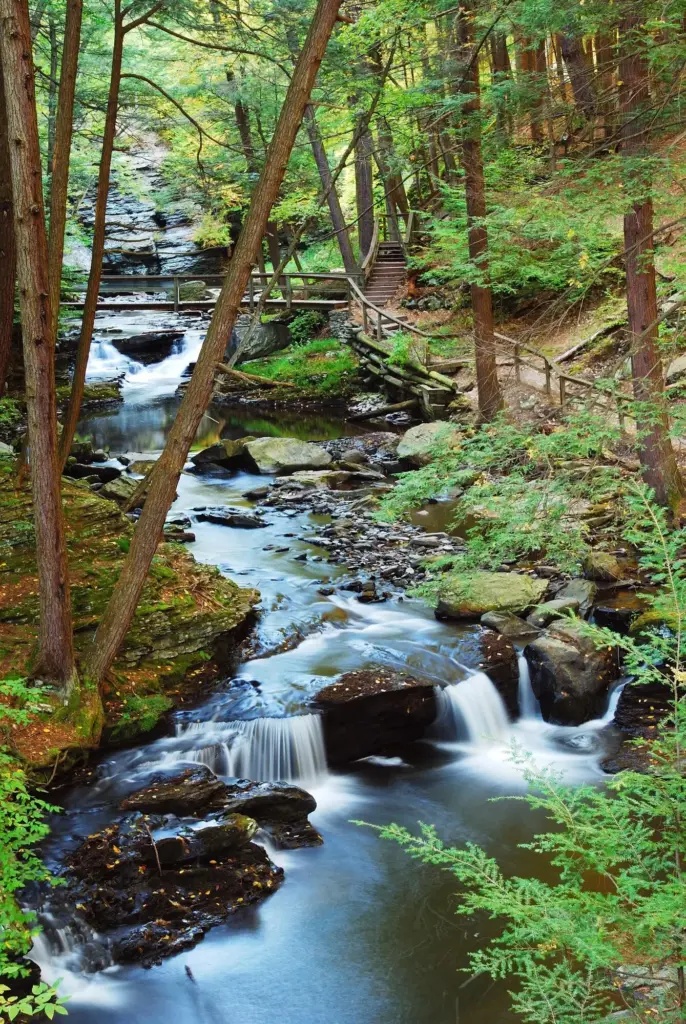
Follow the River Barle’s cool corridor beneath oaks draped in moss, circling from the car park to Tarr Steps and beyond on permissive paths. Flood history is written here: repaired slabs, informative signs, and carefully tended banks. Pause to watch dippers bobbing, then continue to a broader sweep of water where reflections collect afternoon light. It’s a perfect family loop, short yet immersive, offering benches, stories, and the reassurance of waymarked choices.

Safety, Access, and Responsible Footsteps

{{SECTION_SUBTITLE}}

Weather, Water, and Granite Slabs

Moorland weather pivots quickly. A shining morning can blur into mist that confuses landmarks and hides the next safe step. Granite, handsome when dry, becomes glassy in rain, frost, or algae’s quiet film. Test every placement, unbuckle your rucksack before wading, and avoid rushing decisions near moving water. If conditions feel uncertain, turning back is success, not defeat; it proves you value tomorrow’s walk as much as today’s adventure.

Livestock, Birds, and Fragile Banks

Ponies, sheep, and cattle share these spaces, shaping vegetation and welcoming calm passersby. Keep dogs on leads around livestock and ground‑nesting birds, and give broad berths to riverbanks that slough after storms. Trampling encourages erosion that undermines piers and habitats alike. Choose well‑trodden lines, lift feet over water‑edge roots, and pause rather than push where mud suggests retreat. Courtesy to animals and landscapes becomes a practical investment in tomorrow’s crossings.

Local Lore, Food, and Welcoming Pubs

Stories seep from these waters as readily as light. Folklore perches beside fieldcraft, and both taste better after a walk that sharpens appetite. Cream teas reconcile drizzle with delight, and friendly pubs collect laughter with steaming socks near the fire. Trading a mile for an hour of conversation can define the day as surely as summit views, stitching your experience into the social weave that keeps these crossings alive.

Stories the Water Carries

One tale says a certain dark gentleman laid Tarr Steps to sun himself undisturbed, scaring messengers and cats until a parson negotiated truce. Whether you savor that legend or prefer repair logs, river sound makes both plausible. Ask locals for variations; communities remember floods, festive gatherings, rescues, and quiet proposals on moonlit banks. Collecting these narratives becomes part of walking, enlarging every stone with the warmth of borrowed voices.

Cafés, Farm Shops, and the Comfort of a Cream Tea

A good walk ends with a kettle’s song. In Devon, tradition places the cream first, then ruby jam, crowning a scone that forgives rainclouds and wet laces. Farm shops offer crumbly cheeses, local honey, and stories of lambing seasons. Pubs gather hikers with steaming pies and well‑kept ale. Share recommendations, support small producers, and let your purchases reflect gratitude for paths maintained, bridges repaired, and maps that guide strangers home smiling.

Photography, Sketching, and Quiet Observation

Clapper bridges reward slow looking. Their lines seem simple until you watch shadows fold as clouds pass, or see a wagtail briefly become the brightest thing in weathered granite. Photography welcomes patience and steady footing; sketching welcomes warmth in your fingers. Either way, choose viewpoints that protect riverbanks and respect privacy. The aim is not to conquer frames, but to let light, water, and stone hum gently through your attention.

Light, Angles, and Mist

Arrive early for side‑lit textures that bring chisel marks alive and separate each slab from the river’s sheen. Mist flattens noise, simplifies color, and turns reflections into soft graphite. Low angles from safe, stable ground accentuate breadth; high viewpoints from adjacent banks reveal the bridge’s relation to current. A polarizing filter tames glare, yet sometimes a simple phone suffices when patience and breath control make steadiness your best lens.

Respectful Compositions

Fragile banks suffer from repeated scrambles, and damp slabs complain under unnecessary hopping. Compose from paths, boulders well back from edges, or sturdy viewpoints already compacted by traffic. Long exposures smooth water without stepping nearer; longer lenses stitch detail from distances that keep habitats peaceful. If others wait, finish promptly, share the angle generously, and wave a thank‑you. A considerate photographer leaves the scene as undisturbed as a whisper.

Field Notes and Pocket Sketchbooks

Carry a small notebook to catch colors, sounds, and quick plans. Jot river levels, bird sightings, and the exact feel of lichen under fingertips. A two‑minute sketch hones attention better than any slideshow later. Back home, those notes guide captions, route write‑ups, and messages to fellow walkers. Share a drawing or paragraph with our community; your details might become someone else’s perfect starting point on a drizzly, determined morning.

Footwear and Layers That Love the Moor

Choose boots with reliable grip and ankle support; granite can surprise with sudden slickness and cunning angles between slabs. Gaiters shrug off wet heather and bog edges, while breathable layers handle gusts and bright spells with equal grace. A compact waterproof, lightweight gloves, and a warm hat make rests pleasant instead of hurried. Comfort multiplies curiosity, freeing you to explore side paths, vantage points, and that extra ten minutes beside the river.

Small Essentials, Big Difference

Pack a map case, compass, whistle, and headtorch even on blue‑sky days; moorland has a way of inventing drama after lunch. A few plasters, blister care, and spare socks change moods more quickly than pep talks. Keep a charged power bank, a dry bag for phone and notebook, and snacks that forgive delays. Water filters lighten loads near clean streams, but always treat sources kindly and carry enough for confidence.

Sustainable Choices for Lasting Paths

Leave no trace by pocketing litter, choosing durable surfaces, and sidestepping muddy margins rather than widening scars. Refillable bottles, repairable gear, and local produce extend respect beyond scenery into community life. Consider public transport links where feasible, or car‑share to popular trailheads. Add your voice to maintenance groups, report damage with photos and grid references, and celebrate small victories—like a replaced waymark—that keep these crossings welcoming for decades yet to come.