
Step Lightly Over Stone: Walking Devon’s Medieval Clapper Bridges
A Short History Underfoot

Planning Your Route Across Moor and Vale
Signature Walks Linking Stone and Story
Postbridge to Bellever Tor Loop
Begin at the storied slabs near Postbridge, where the East Dart murmurs and wagtails dart, then climb through Bellever Forest toward the tor’s open crown. From granite clitter fields, gaze across patchwork valleys and return by softer woodland tracks. Six to eight kilometers feels generous yet manageable, with options to add a detour toward the river. This circuit balances history and horizon, concluding where water, stone, and memory meet in companionable silence.
Tarr Steps Riverside Circuit
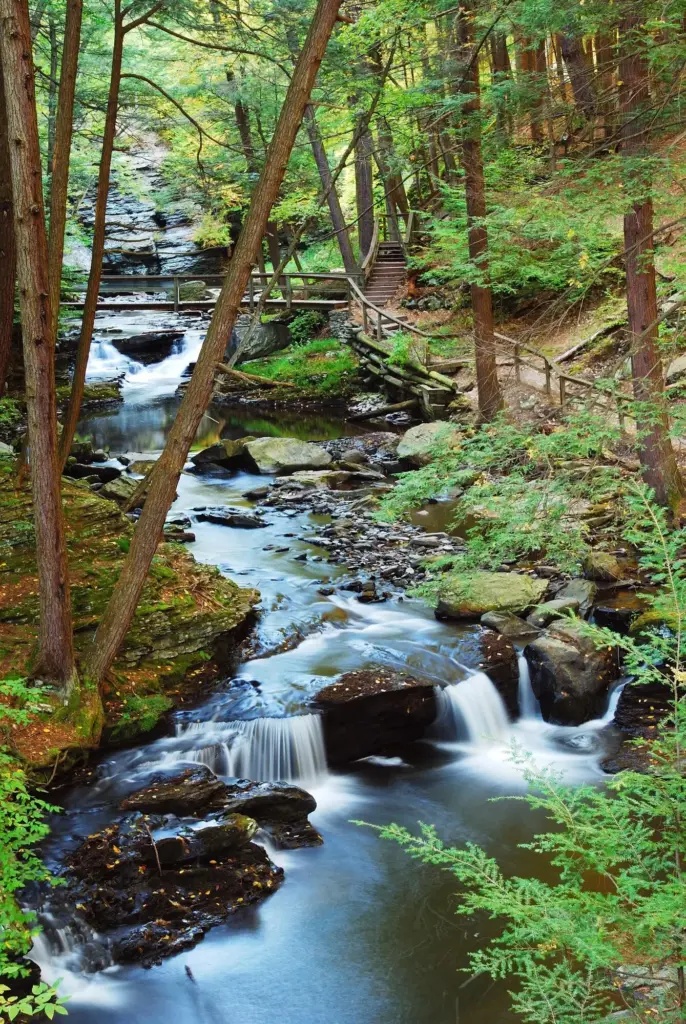
Follow the River Barle’s cool corridor beneath oaks draped in moss, circling from the car park to Tarr Steps and beyond on permissive paths. Flood history is written here: repaired slabs, informative signs, and carefully tended banks. Pause to watch dippers bobbing, then continue to a broader sweep of water where reflections collect afternoon light. It’s a perfect family loop, short yet immersive, offering benches, stories, and the reassurance of waymarked choices.

Safety, Access, and Responsible Footsteps
{{SECTION_SUBTITLE}}

Weather, Water, and Granite Slabs

Livestock, Birds, and Fragile Banks
Local Lore, Food, and Welcoming Pubs
Stories the Water Carries
One tale says a certain dark gentleman laid Tarr Steps to sun himself undisturbed, scaring messengers and cats until a parson negotiated truce. Whether you savor that legend or prefer repair logs, river sound makes both plausible. Ask locals for variations; communities remember floods, festive gatherings, rescues, and quiet proposals on moonlit banks. Collecting these narratives becomes part of walking, enlarging every stone with the warmth of borrowed voices.
Cafés, Farm Shops, and the Comfort of a Cream Tea
A good walk ends with a kettle’s song. In Devon, tradition places the cream first, then ruby jam, crowning a scone that forgives rainclouds and wet laces. Farm shops offer crumbly cheeses, local honey, and stories of lambing seasons. Pubs gather hikers with steaming pies and well‑kept ale. Share recommendations, support small producers, and let your purchases reflect gratitude for paths maintained, bridges repaired, and maps that guide strangers home smiling.

Photography, Sketching, and Quiet Observation
Light, Angles, and Mist
Respectful Compositions
Field Notes and Pocket Sketchbooks

Footwear and Layers That Love the Moor
Choose boots with reliable grip and ankle support; granite can surprise with sudden slickness and cunning angles between slabs. Gaiters shrug off wet heather and bog edges, while breathable layers handle gusts and bright spells with equal grace. A compact waterproof, lightweight gloves, and a warm hat make rests pleasant instead of hurried. Comfort multiplies curiosity, freeing you to explore side paths, vantage points, and that extra ten minutes beside the river.
Small Essentials, Big Difference
Pack a map case, compass, whistle, and headtorch even on blue‑sky days; moorland has a way of inventing drama after lunch. A few plasters, blister care, and spare socks change moods more quickly than pep talks. Keep a charged power bank, a dry bag for phone and notebook, and snacks that forgive delays. Water filters lighten loads near clean streams, but always treat sources kindly and carry enough for confidence.
Sustainable Choices for Lasting Paths
Leave no trace by pocketing litter, choosing durable surfaces, and sidestepping muddy margins rather than widening scars. Refillable bottles, repairable gear, and local produce extend respect beyond scenery into community life. Consider public transport links where feasible, or car‑share to popular trailheads. Add your voice to maintenance groups, report damage with photos and grid references, and celebrate small victories—like a replaced waymark—that keep these crossings welcoming for decades yet to come.
All Rights Reserved.