
Walk the Loops Where Rails Once Ran
Set out on circular hikes linking old railway bridges in South Devon, following forgotten alignments beside tidal creeks, wooded cuttings, and moorland fringes. Expect mellow gradients, storied masonry, and riverside wildlife. Pack curiosity, OS maps, and a willingness to meander. Share discoveries with fellow wanderers who cherish rail heritage and gentle adventures. From village bakeries to riverside pubs, each loop rewards steady footsteps, patient looking, and a quiet sense of connection to the ingenuity that once stitched these valleys together.
Planning Your Circular Adventure
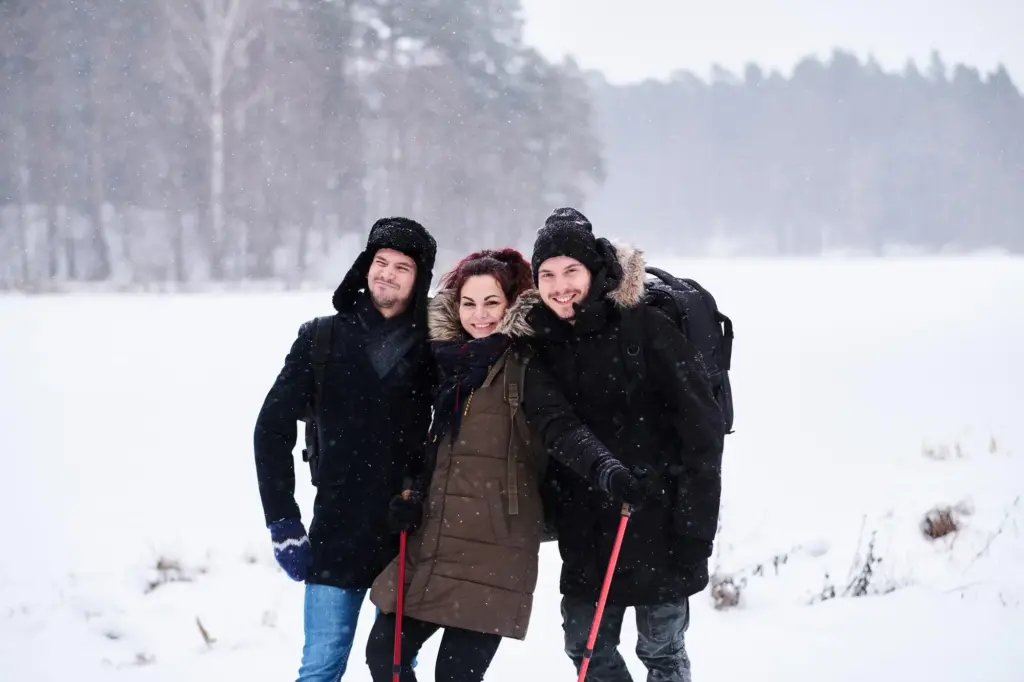
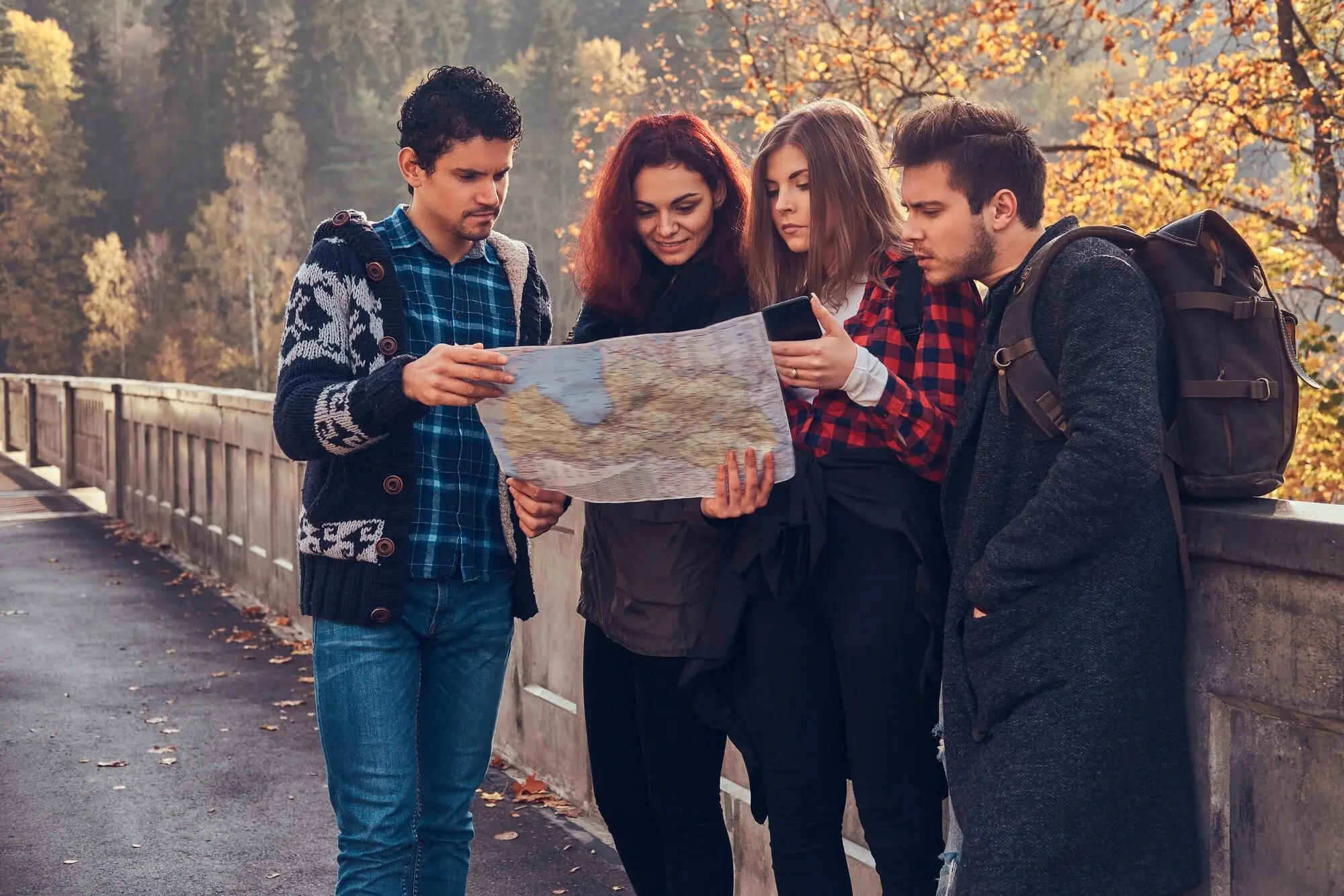
Circular routes that link old railway bridges reward thoughtful preparation, because the best loops balance reliable paths, scenic crossings, and practical logistics. Carry updated OS Explorer maps, check tide times where estuaries breathe upstream, and look for permissive paths complementing official rights of way. Prioritize daylight, consider return bus links, and note limited parking in pretty villages. Build detour options for grazing stock, forestry works, or seasonal flooding, tell someone your plan, and return with stories best savored over tea and well-earned cake.
Bridges as Storytellers
Each arch and girder speaks of enterprise, connection, and time’s patient weathering. In South Devon’s valleys, masonry blocks hold river light while ironwork echoes with past freight—timber, clay, wool, and postcards sent from seaside holidays. Brunel’s wider legacy hums along the coast, and inland lines once ferried market produce and newspapers before first light. When you pause on an old crossing, listen for water below and the soft percussion of boots above, and feel engineering meet landscape in enduring conversation.
Notice how brick voussoirs lock stone into calm confidence over rushing water, while riveted plate girders feel utilitarian yet elegant against alder and willow. Parapet copings wear lichens like medals. Expansion joints and drain spouts hint at nineteenth-century pragmatism. Compare differing spans responding to geology, floodplain width, and budget. Even repaired sections reveal evolving materials and skills. By reading these details, your walk deepens beyond scenery into a respectful dialogue with human problem‑solving and the river’s uncompromising moods.
Bridges gathered more than trains; they gathered stories. Porters cycled at dawn, millworkers waved across spray, children counted wagons, and anglers traded river gossip under arches out of rain. Remnants of milk churn platforms or siding gates recall livelihoods paced by timetables. Ask in village pubs about nicknames, winter floods, and repairs funded by raffles. Oral histories revive warmth in cold stone, helping you see each crossing not as relic but as a neighbor that quietly shaped lanes, markets, and friendships.
Three Sample Loops to Try
Use these imaginative outlines as sparks for your own planning, not prescriptive directions. Blend riverside rights of way, green lanes, and quiet lanes to create comfortable circuits touching two or three historic crossings. Check maps, transport, and access notes before setting out. Keep distances flexible, favoring generous time for photographs, sketches, and snacks. If rain swells rivers or wind lashes ridges, shorten the day, sip something warm, and promise yourself a return when the water sings more gently.

Safety, Seasons, and River Moods
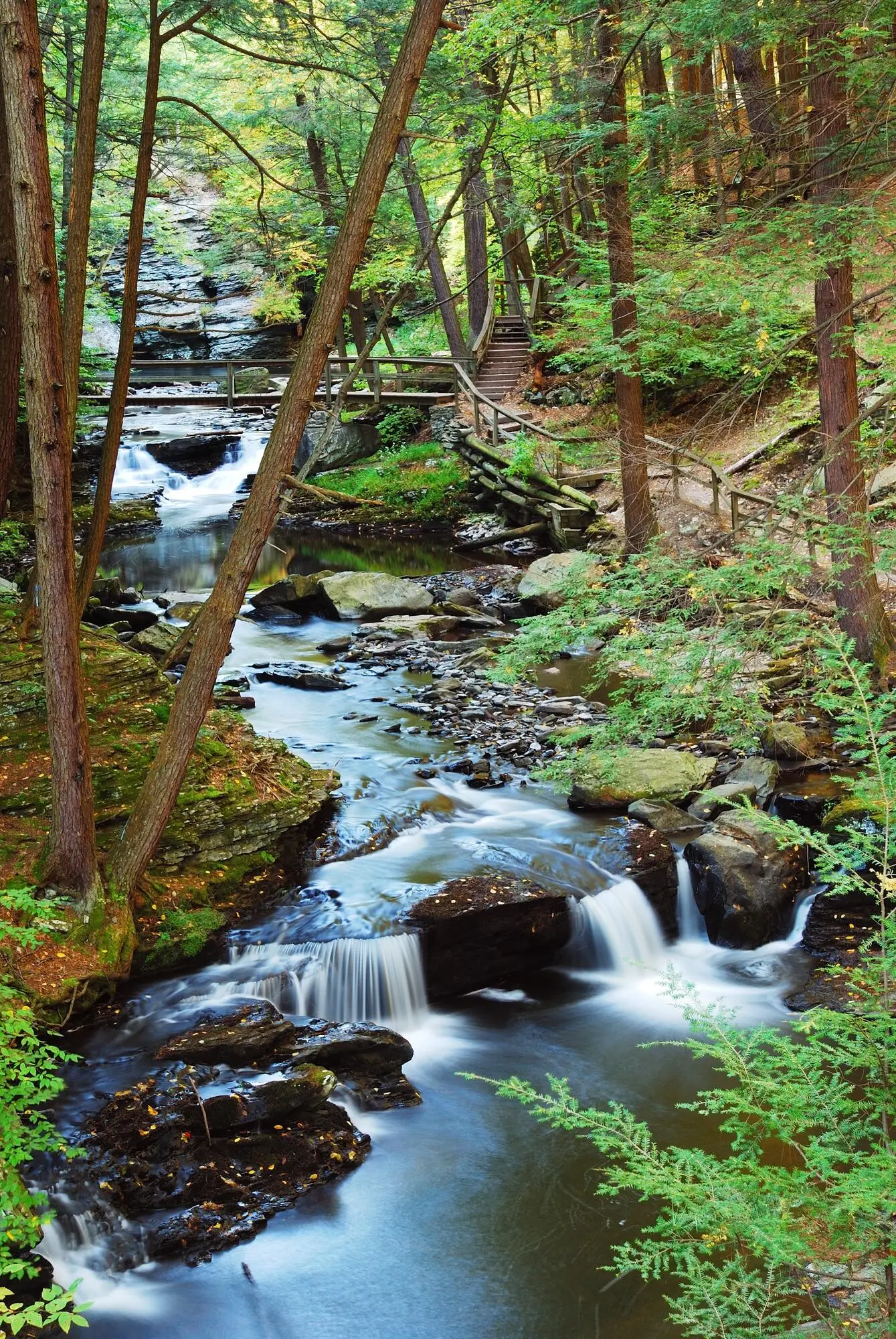
Rivers teach rhythm, so match your pace to weather and daylight. Winter rain fattens channels, hiding stepping stones; summer heat bakes lanes but also invites horseflies and thirsty distractions. Spring brings fragile nests and protective livestock; autumn lays slick leaves across slatey stiles. Carry layers, headtorch, map, and snacks. Tell someone your plan, respect closures, and reverse if water or wind outmuscles confidence. The reward for patience is not only safety but subtler textures, scents, and sounds along every curve.
Composing with Arches and Lines
Stand square to an arch for symmetry, then sidestep until parapets and riverbanks create layered diagonals guiding an eye into depth. Try low angles to stretch reflections, or shoot through foliage to suggest secrecy rediscovered. Wait for a walker to silhouette on the span, granting scale and a gentle story beat. Bracket exposures when sunlit water dazzles, and accept drizzle as a gift that saturates reds, greens, and the quietly heroic browns of timeworn brick and timber.
Textures, Patina, and Close Focus
Move close enough to smell iron and riverweed. Photograph rivet heads like constellations, mortar lines etched by frost, and ivy tendrils anchoring tenderly into shadow. Use a shallow depth of field to isolate lichened coping stones against silky water. Let raindrops bead on your lens, then wipe, learning patience. These tactile studies anchor memory beyond postcards, reminding you where fingertips grazed cool stone, where boots nudged pebbles, and where the river whispered that craftsmanship and erosion dance, not quarrel.
Connect, Share, and Travel Lightly
These loops feel richer when journeys to the start are kind to the places you’ll explore. Check bus timetables, community car parks, and rail links; arrive early, move considerately, and spend where it matters—bakeries, pubs, and farm shops. Share route refinements, hazards, and kindness on local forums. Subscribe to updates, send questions, and tell us what you’d love next—longer moorland edges, family-friendly circuits, or heritage deep-dives. Together we can celebrate crossings, support villages, and keep footpaths open, welcoming, and well-loved.
Getting There Without a Car
Start with rail to nearby towns, then use buses or a short taxi hop to reach your chosen valley. Off-peak tickets free budgets for warm soup and sticky buns after rain. Pack light, favor foldable poles, and store muddy boots in a bag for return journeys. Share seats cheerfully, offer route suggestions if asked, and savor how a day scales beautifully when engines are few and footsteps many. The gentle cadence begins not at the bridge, but at the platform.
Supporting Small Places Kindly
Park considerately where car access is necessary, slipping coins into honesty boxes and keeping verges uncrushed. Step into village shops, buy postcards, and ask for local cake recommendations. Pubs and cafés thrive on hikers’ steady custom, especially midweek when sunshine lingers and doorways stand open. Praise good signage online, thank landowners for permissive connections, and report broken stiles. Hospitality runs both ways; your respectful presence helps keep paths open, bridges maintained, and stories shared with newcomers who tread carefully.
Join the Conversation and Help Map
We’d love your loop notes, GPX traces, winter detours, and photos that capture river moods. Comment with highlights, hazards, and bakeries worth a purposeful delay. Subscribe for fresh circuits when seasons change, and vote on which valleys deserve deeper guides. If you spot damaged parapets or erosion nibbling path edges, flag them to councils and volunteer teams. By sharing insight and encouragement, you help others find confidence, and you keep these crossings alive in more than stone, iron, and water.
All Rights Reserved.